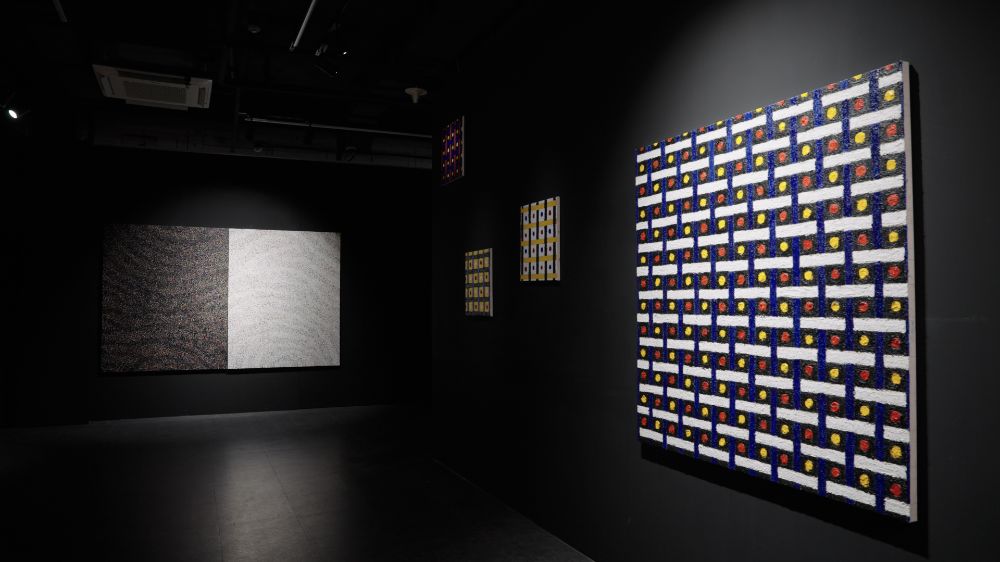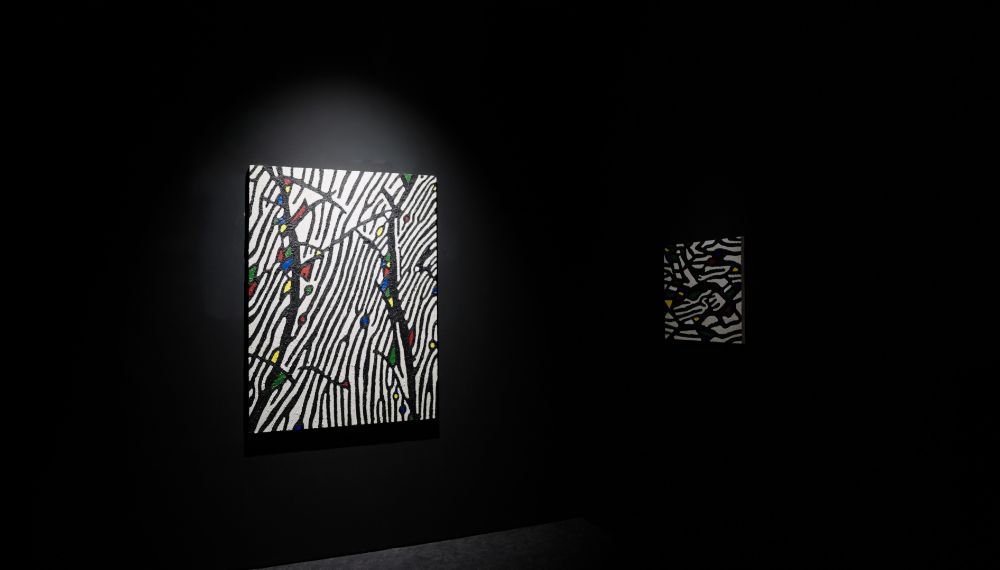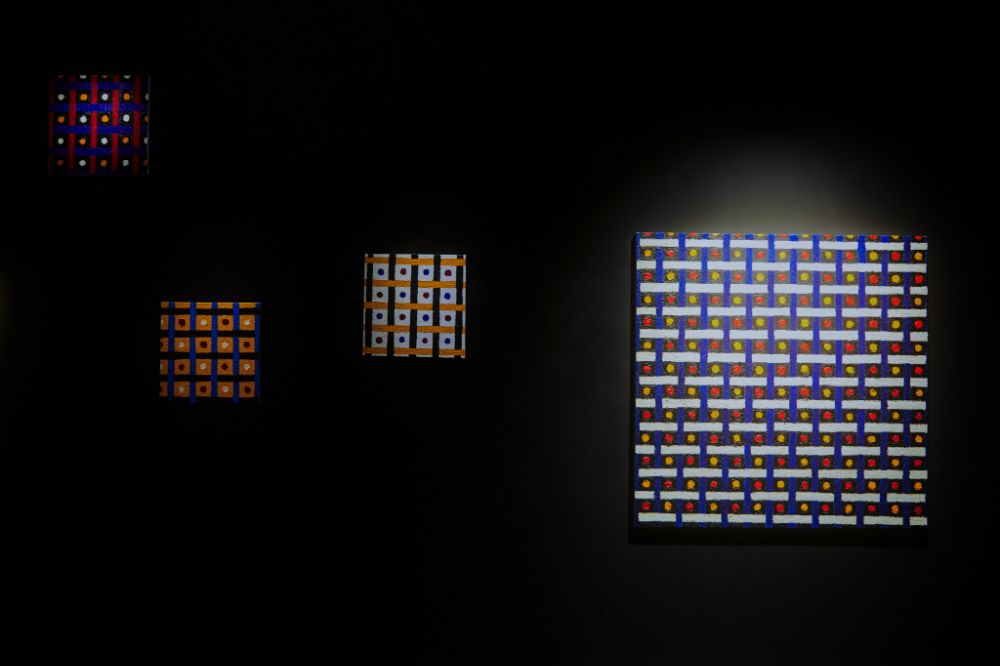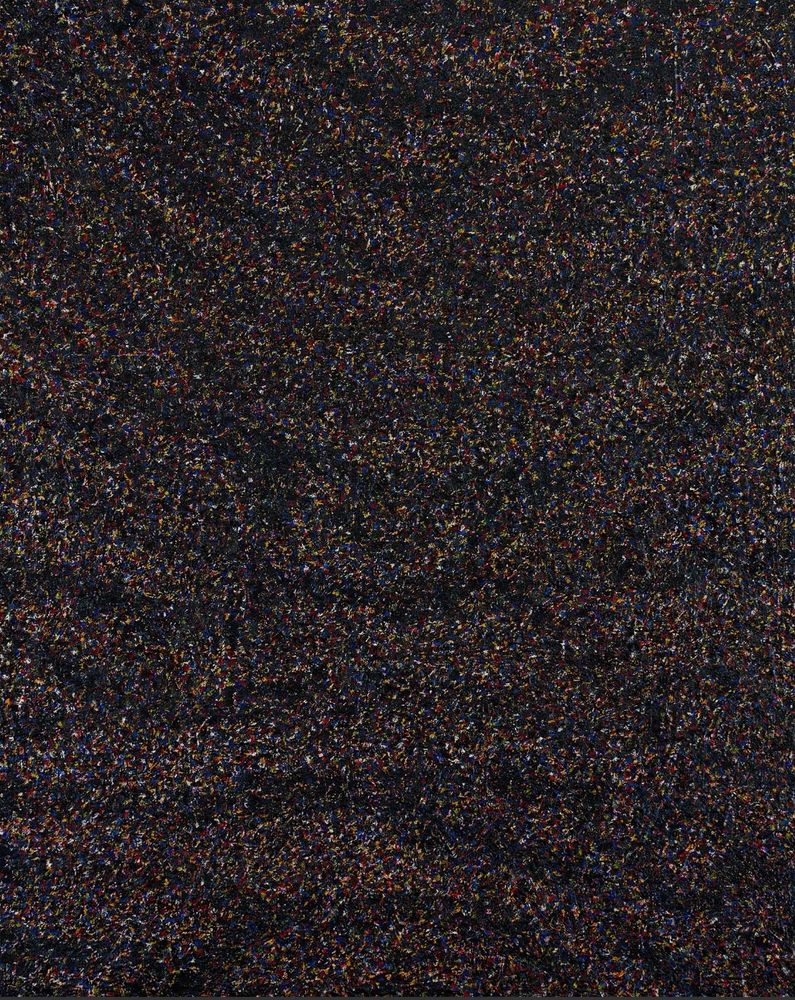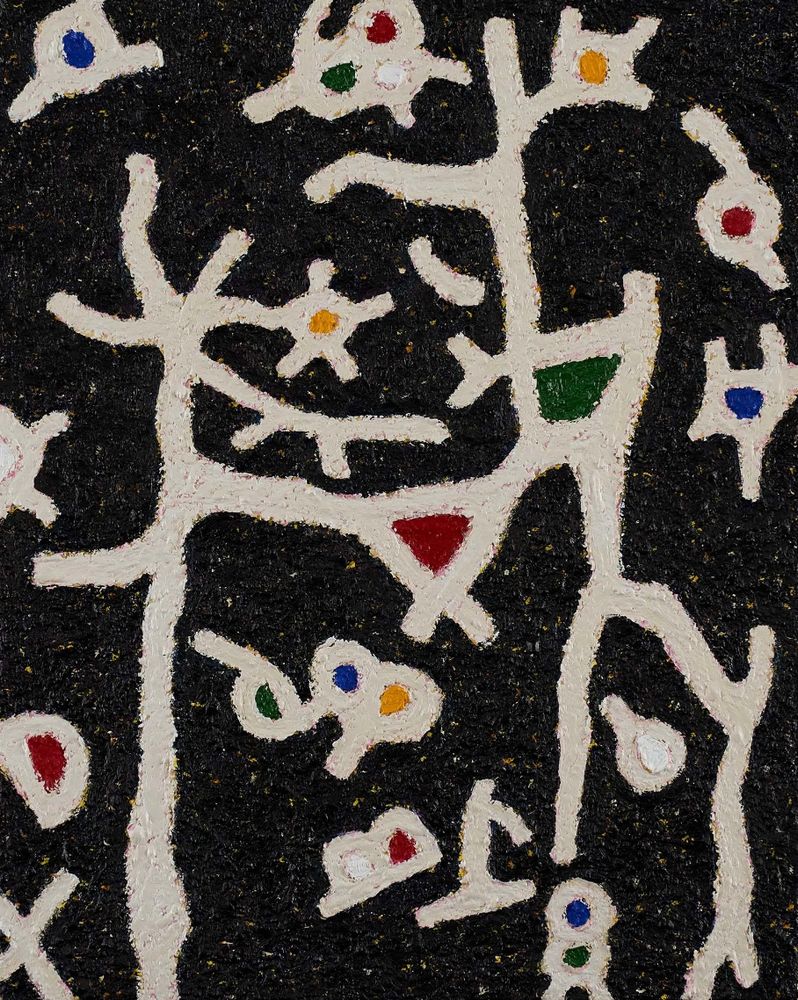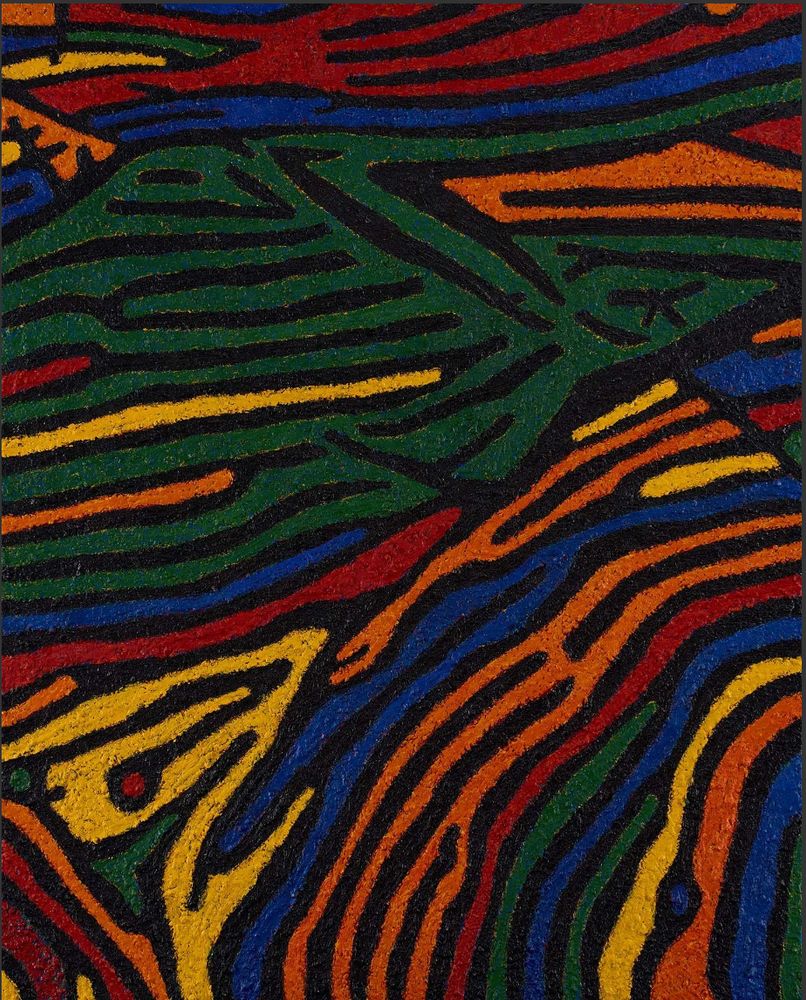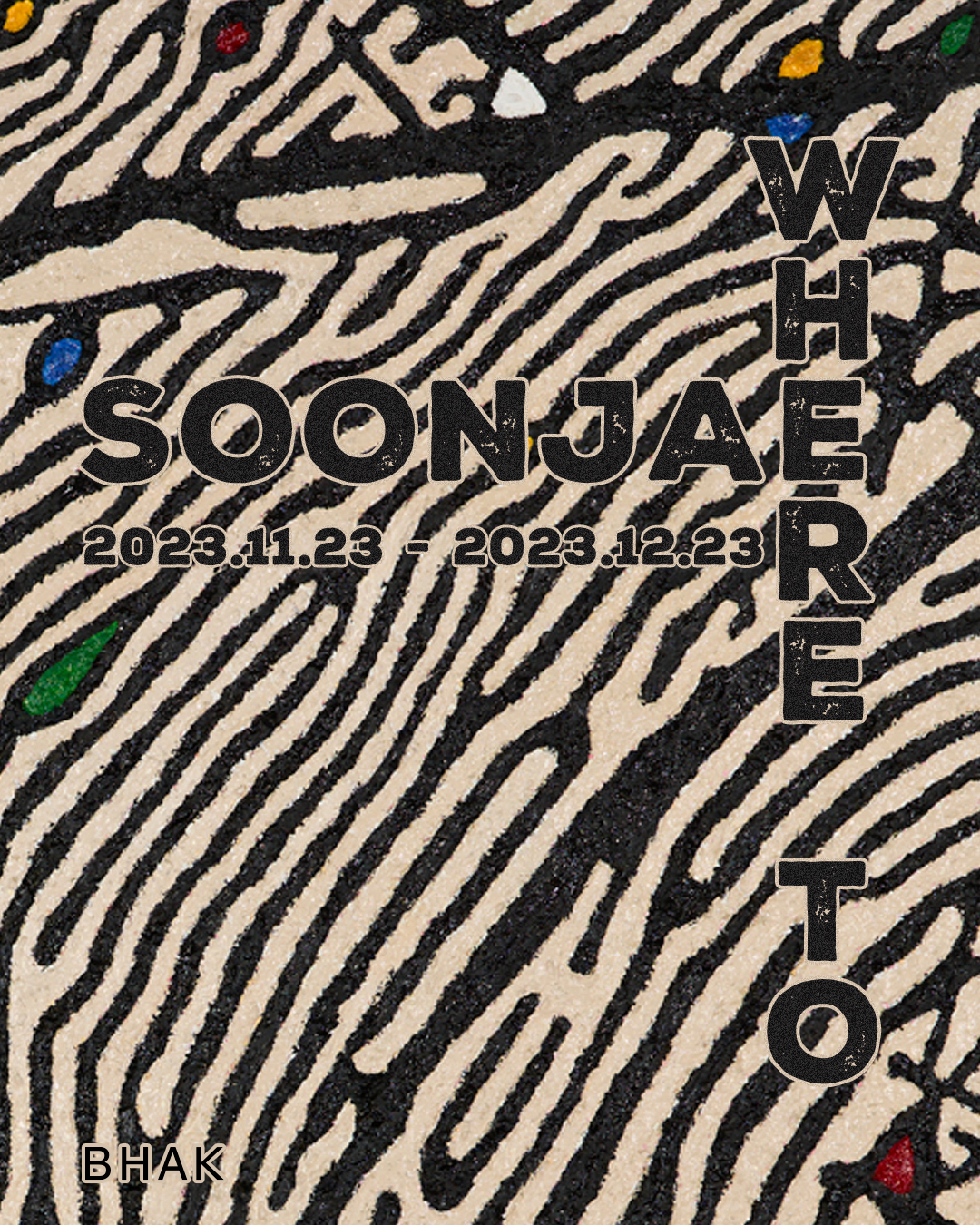
Soonjae (b. 1992) engages in work that visualizes identity using the motifs of fingerprints, palm lines, and wrinkles on the hands. His artworks take the form of patterns, observing the finely engraved patterns of wrinkles on the palm and back of the hand, incorporating colors. One of his most representative works is the fingerprint series produced since 2020. In this series, fingerprints convey the meaning of identity revealed through the shapes of unique fingerprints everyone possesses. The colors applied to the fingerprints draw inspiration from daily life, capturing nature and urban elements, serving as a means for the artist to express personal experiences, memories, and internal emotions.
This expressive abstraction underwent a transformation during Soonjae's one-year stay in Berlin in the summer of 2022, where dynamic brushstrokes and a more diverse color palette were introduced. The current exhibition, "Where to," explores the connection and expansion of the form and themes of the artworks, focusing on the transformations experienced during Soonjae's time in Berlin and after returning home.
As mentioned earlier, the primary components of the artworks are the wrinkles on the palm and back of the hand, along with the colors. However, recent works have parted away from individual appearances of each image, but rather multiple images appearing together on one painting. Additionally, the colors are not only those observed in reality but also include colors reminiscent of residuals or new colors inspired by traditional Korean colors, such as the five traditional Korean colors (blue, red, yellow, white, and black). These changes stem from an attempt to understand the origins of his identity by approaching it through the environment and culture to which he belongs.
The artist traces elements related to traditional Korean arts, especially the traditional colors of Korea and "samulnori" (Korean traditional percussion quartet), among various cultural aspects like language, religion, and art. The recent works include elements hinting at Korean cultural traditions, but it's crucial not to interpret the abstractions in Soonjae's work as directly reflecting the general characteristics of traditional culture. The significance lies in the fact that the internal messages of the artwork are intuitively conveyed through cultural characteristics.
For example, while the artist originally expressed colors observed in reality in his artwork, recent works have begun expressing the colors of residual images seen when the eyes are closed, attributing them with the meaning of dreams. These residual colors are now repetitively expressed in both palm and back of the hand images. This attempt aims to indicate the attribute of identity, which is variable and can turn reality into a dream or vice versa, through the reversal of meaning.
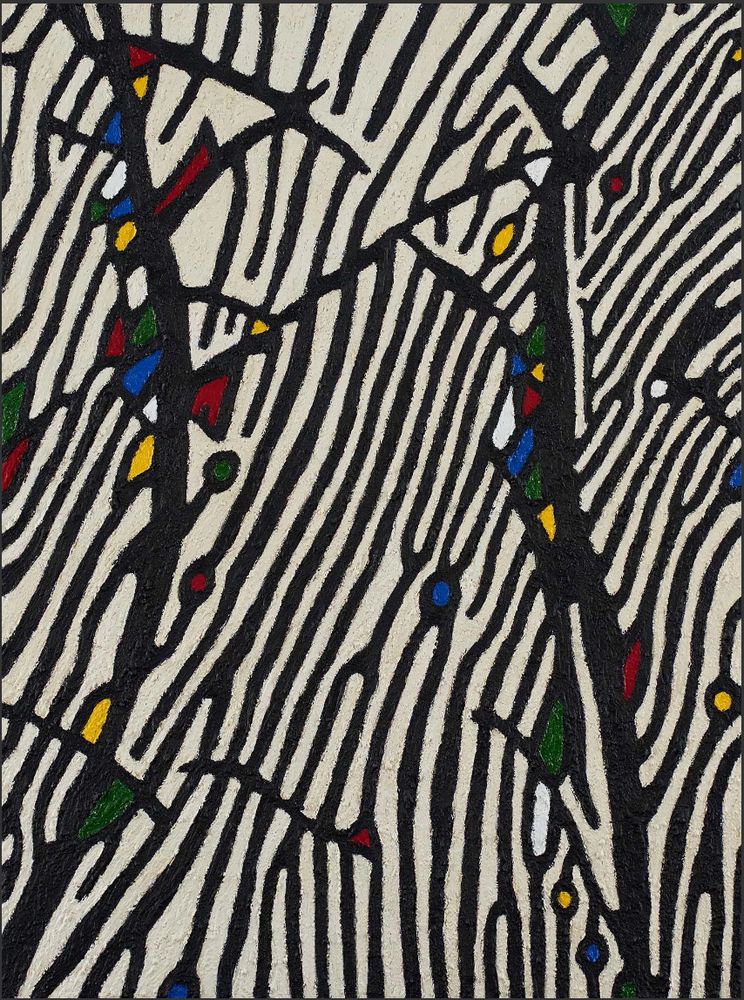
In <23-100-5>, the artist entirely omits the images of fingerprint or wrinkles on the back of the hand that has always represented identity. Instead, this work represents the rhythms and melodies captured from "samulnori" using a grid pattern of the five traditional Korean colors. The four instruments of "samulnori" symbolize natural phenomena, colors, and cardinal points. Although they possess contrasting characteristics, they depend on each other, creating harmonious sounds. Similarly, <23-100-6> and <23-100-7> portray fingerprints facing different directions with black and white colors contrasting each other, reflecting the concept of Yin and Yang, seeking harmony through contrast.
In recent works where Korean traditional thought is visualized, the cultural emotions inherited from the past play a role in achieving harmony between the form and content of the artwork, enhancing resonance with the audience. In this context, the five traditional Korean colors are a key element that permeates various meanings inherent in "identity." This is because these colors exist independently as pure, unblended colors, which can be interpreted as representing an identity that distinguishes itself and exists independently. However, on the other hand, when these colors are mixed, they create more than five diverse colors, demonstrating how personal identity is formed through the interaction with specific environments and cultures.
Through his experiences in Germany, where it was once divided, Soonjae reflected on the continuing history of Korea as a divided nation. Moreover, becoming a foreigner abroad deepened his curiosity about our nation and culture. These remarks indicate a shift from the past focus on exploring the identity of the individual 'self' through drawing to a broader contemplation of history and culture. This exhibition encapsulates the artist's journey, starting from self-exploration and extending to a thoughtful consideration of larger history and culture.
Discovering the aesthetics of diversity created by irretrievable uniqueness in traditional Korean culture, the artist, through this exhibition, can showcase an internal growth, viewing himself and the world with a more expanded and profound perspective.